
What Does a Truck Dispatcher Actually Do?
Not sure what you're actually paying for when you hire a dispatcher? Here's a straightforward breakdown of everything a professional truck dispatcher handles — and why it matters more than most owner-operators realize.
TRUCK DISPATCH SERVICETRUCK DISPATCHER
Five Star Dispatching
7/17/20263 min read
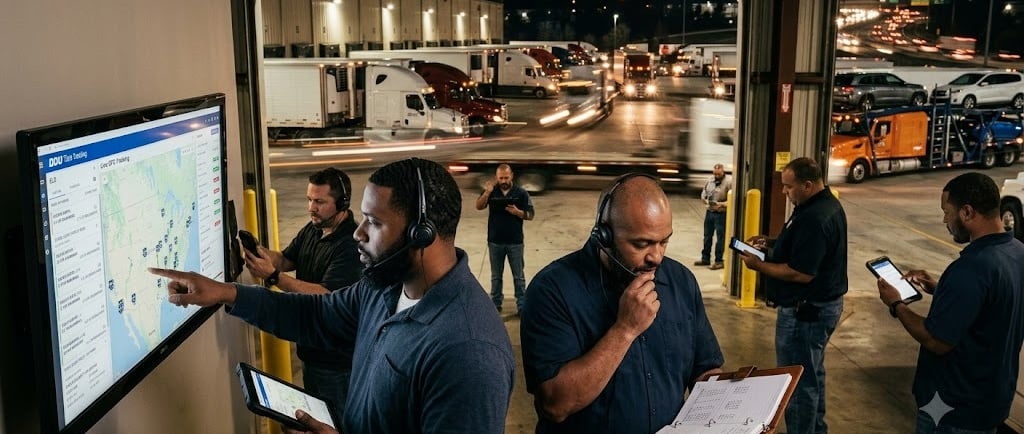
Ask ten truckers what a dispatcher does and you'll get ten different answers — "finds loads," "does paperwork," "handles calls." All true, but none of them capture the full picture. A good dispatcher is closer to a business partner than an assistant, and understanding exactly what's on their plate helps you figure out whether you're getting real value or just paying someone to forward emails.
Here's what actually happens behind the scenes.
Finding and Vetting Loads
The most visible part of the job is sourcing freight — but there's more to it than scrolling a load board. A dispatcher is constantly cross-referencing multiple platforms (DAT, Truckstop, niche boards, and direct broker relationships), checking which loads actually match your equipment, your home time preferences, and your target rate per mile.
Just as important: vetting the broker. A dispatcher checks credit scores, payment history, and reviews before booking a load, so you're not the one finding out three weeks later that a broker doesn't pay on time.
Negotiating Rates — Not Just Accepting Them
This is where a lot of the real value hides. Brokers post a rate expecting pushback. An experienced dispatcher knows current market rates for your lane and equipment type, and negotiates instead of taking the first number offered. Over a year, the difference between accepting posted rates and negotiating every load can add up to thousands of dollars — enough to make a dispatch fee pay for itself several times over.
Route and Schedule Planning
A dispatcher isn't just booking one load at a time — they're planning your next move before your current delivery is even finished. That means:
Minimizing deadhead miles between drop-off and next pickup
Sequencing loads so you're not backtracking across states
Building in realistic delivery windows so you're not racing the clock or sitting idle
Good planning is the difference between a truck that's productive five days a week and one that's productive three.
Handling Paperwork and Documentation
Rate confirmations, bills of lading, broker packets, invoicing, and factoring paperwork — a dispatcher handles the administrative load so you're not doing paperwork at a truck stop at 11pm after a 12-hour drive. This alone saves most owner-operators several hours a week.
Check Calls and Communication
Brokers often require regular check calls to confirm load status. A dispatcher handles these calls, keeps brokers updated, and flags any delays before they become a problem — so you can focus on driving instead of fielding calls every two hours.
Building Broker Relationships Over Time
This is the part load boards can never replace. An experienced dispatcher builds ongoing relationships with brokers and shippers, which means better rates, first access to repeat freight, and sometimes loads that never even hit a public board. Load boards give you access to freight; relationships get you better freight, consistently.
What a Dispatcher Should Never Do
A quick note, since this matters: a legitimate dispatcher does not have authority over your business decisions, should never ask for control of your MC authority or insurance, and should never pressure you into taking a load below your rate floor. If a dispatch service is doing any of that, it's a red flag worth walking away from.
So Is It Worth Paying a Dispatch Fee?
For most owner-operators, yes — provided the dispatcher is actually doing all of the above rather than just relaying loads off a board you already have access to. The math is simple: if a dispatcher's rate negotiation and route planning save you more in increased revenue and reduced deadhead than their fee costs, it's a net gain, plus you get your evenings and weekends back.
Frequently Asked Questions
Do I need a dispatcher if I already have load board access?
Having access to a load board and having time to actively negotiate every load, vet every broker, and plan every route are two different things. Most owner-operators running solo don't have the hours in the day to do both driving and full-time dispatching well.
How much do truck dispatchers typically charge?
Dispatch fees commonly range around 5–10% of gross revenue per load, varying by service level and the volume of freight being managed.
Can a dispatcher get me better rates than I could negotiate myself?
An experienced dispatcher who works multiple lanes daily typically has more current market rate knowledge and broker relationships than an individual owner-operator negotiating occasionally, which often translates into better outcomes.
What should I ask before hiring a dispatcher?
Ask about their experience with your equipment type, how they vet brokers, what their fee structure is, and whether you'll have visibility into load details and rate negotiations — transparency is a strong sign of a legitimate service.
Ready to Work With a Dispatcher Who Actually Has Your Back?
At Five Star Dispatching, we handle everything above — load sourcing, rate negotiation, route planning, paperwork, and broker relationships — so you can focus on driving, not chasing freight.
Talk to our team today and see what full-service dispatching can do for your bottom line.
Related reading: Box Truck, Cargo Van & Hotshot Load Boards Guide | 15 Questions Every Carrier Should Ask Before Hiring a Truck Dispatcher
External resources: FMCSA Owner-Operator Resources | DAT Freight & Analytics
Reach out anytime for reliable dispatch support.
Conect Now
Newesletter
© 2025. All rights reserved.

