
Power Only Dispatch Service for Owner-Operators | Five Star
A power only dispatch service that understands drop-and-hook economics — detention pay, fuel surcharge, and quick turns. Keep your tractor earning with Five Star Dispatching.
TRUCKING INDUSTRY
Five Star Dispatching
7/7/20264 min read
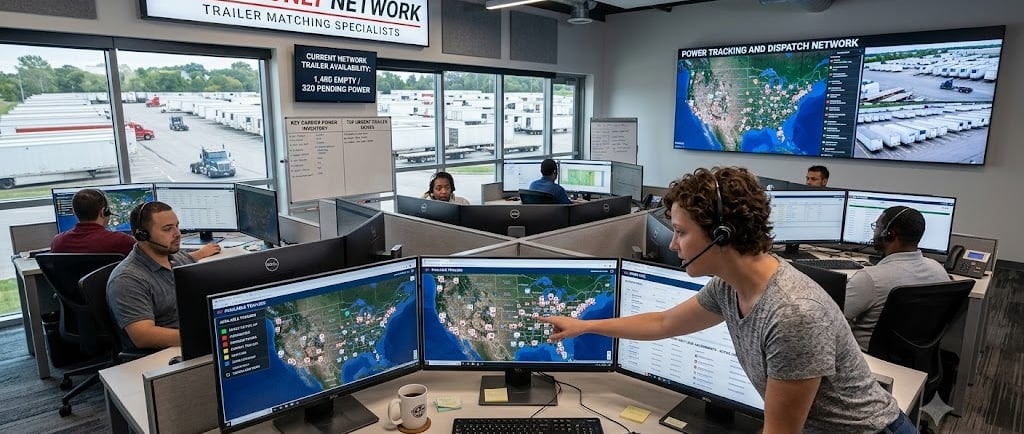
Power Only Dispatch Service: Turn Your Tractor Into a Full-Time Earner
Power only is the smartest low-overhead play in trucking right now. No trailer to buy. No trailer to maintain. Just your tractor, someone else's pre-loaded trailer, and a drop-and-hook turn that gets you back on the road fast. But here's what nobody tells the new power-only operator: the money doesn't live in the per-mile rate — it lives in the turns, the accessorials, and the details a lazy dispatcher leaves on the table.
That's the whole point of a real power only dispatch service. Let's break down why it matters and where your profit actually comes from.
Why Owner-Operators Run Power Only
Power only means you provide the tractor and the driver, and the shipper, broker, or 3PL provides the trailer. You hook to a pre-loaded trailer, haul it, drop it, and move on. Common power-only work includes intermodal and rail containers, port drayage, Amazon Relay trailers, shipper drop trailers, and trailer repositioning.
The appeal is obvious:
No trailer investment. You skip the $20,000–$60,000 cost of buying a trailer — plus the monthly payment, trailer insurance, registration, and maintenance that come with it.
Faster turns. Drop-and-hook freight means less time rotting at a dock waiting on live loads and unloads. More turns, more miles, more revenue.
Flexibility. You choose your loads, your lanes, and your schedule without a trailer dictating what you can haul.
A soft landing for new authority. It's one of the lowest-barrier ways to run under your own authority without taking on trailer debt.
The trade-off: you're hooking to trailers you didn't inspect, load, or maintain, so trailer condition and liability matter — and load availability swings by lane. Which is exactly where a dispatcher earns their keep.
What Power Only Pays in 2026
The current market is favorable and tightening in your direction. In early 2026, general drop-and-hook power-only freight has been averaging around $2.55/mile, while intermodal and port drayage command a premium closer to $3.44/mile — with the broader range running roughly $1.50 to $3.50+/mile depending on trailer type, lane, and urgency.
Here's the nuance most operators miss: power-only rates typically run about $0.20–$0.40/mile lower than pulling your own trailer — but because your expenses are lower too (no trailer cost, no trailer maintenance), your net can match or beat trailer ownership. The per-mile number isn't the scoreboard. Revenue per day, low deadhead, and quick turns are.
The Power-Only Economics Most Dispatchers Get Wrong
A lot of operators assume power only should pay more because "I'm bringing the truck." In reality, the rate reflects reduced trailer responsibility and faster turns — not just horsepower. Understanding that is the difference between a dispatcher who books smart and one who chases the wrong loads and complains about the rate.
A real power-only dispatcher protects your profit at the exact points it leaks:
Detention and dwell pay. Waiting to hook up costs you money. A good dispatcher negotiates detention pay (commonly $25–$75/hour after your free time) before booking — not after you're already sitting.
Fuel surcharge vs. all-in rates. Many power-only quotes are all-in, meaning no separate fuel surcharge. If diesel spikes, your margin evaporates. Your dispatcher should know which rates include fuel and push for a surcharge that adjusts with diesel prices.
Deadhead discipline. Empty miles to the next trailer quietly kill power-only profit. Your dispatcher should factor deadhead into every rate and plan reloads so your tractor isn't running empty across the state.
The right networks and lanes. Power-only freight lives across brokers, 3PLs, and drop-trailer networks. Knowing which lanes and programs actually pay — and vetting the brokers before booking — keeps you loaded and paid.
Keeping the turns fast. The whole power-only advantage is quick drop-and-hook cycles. A dispatcher who lines up your next hook before you drop the current one is what turns "flexible" into "full-time earner."
Miss those, and you've got a load-forwarder. Nail them, and your tractor never stops earning.
Where Five Star Dispatching Comes In
This is what we do for power-only operators. Five Star Dispatching runs your booking side with the drop-and-hook economics front of mind.
We hunt power-only freight across the networks and lanes that pay, negotiate your rate with detention and fuel surcharge on the table, vet the brokers, and plan your reloads so deadhead and dwell stay low. You keep your authority. You keep the final say on every load. We just keep the trailers hooking and the tractor turning. And with strong intermodal and drayage demand around major port markets, we help you tap the premium freight instead of grinding out the cheap stuff.
For a power-only operator, that's the difference between a tractor that runs and one that earns every day it's on the road.
The Bottom Line
Power only is one of the leanest, most flexible ways to run a trucking business — no trailer debt, fast turns, and a market that's tightening in your favor. But that low-overhead advantage only pays off if the person booking your loads understands the real economics: turns over per-mile, detention over dock-sitting, and reloads over empty miles. Don't hand that to a generic dispatcher. Run with a power only dispatch service that gets it.
Ready to keep your tractor hooked and earning? 👉 Visit fivestardispatching.com and let's put your power unit to work.
Frequently Asked Questions
What is a power only dispatch service?
A power only dispatch service finds and books drop-and-hook loads for operators who provide just the tractor. It negotiates your rate (including detention and fuel surcharge), vets brokers, and minimizes deadhead — while you keep your authority and the final say on loads.
How much does power only pay per mile in 2026?
General drop-and-hook power-only freight has been averaging around $2.55/mile in early 2026, with intermodal and port drayage closer to $3.44/mile. The overall range runs roughly $1.50–$3.50+/mile depending on trailer type, lane, and urgency.
Is power only worth it for owner-operators?
Often, yes. You skip the $20,000–$60,000 cost of a trailer plus its insurance and maintenance, and drop-and-hook turns keep you moving. Rates run slightly lower than pulling your own trailer, but lower expenses can leave your net profit similar or better.
What equipment do I need for power only?
A road-ready Class 8 tractor with air brake connections, a fifth wheel coupling, glad hands for the air lines, and a 7-way electrical connection. Port and container work may also require a TWIC card.
Why do I need a dispatcher for power only?
Because the profit is in the details — detention pay, fuel surcharge, deadhead, and fast reloads. A power-only dispatcher protects those margins and keeps your tractor hooked to paying freight instead of sitting empty.
Reach out anytime for reliable dispatch support.
Conect Now
Newesletter
© 2025. All rights reserved.

